Wednesday, July 21, 2021

#5 Steps To Consider While Building A B2B Digital Marketing Strategy

Marketing is evolving every day—especially as it relates to the behavior of the purchaser. More than ever today, customers spend critical time online during their decision-making process instead of talking to a sales representative. As a result, it is imperative that B2B companies diversify their conventional marketing approaches to follow best practices in digital marketing to reach customers where they are online.


It can also sound like an exceptionally difficult challenge to build a B2B digital marketing strategy. Many marketers would turn to a "whack-a-mole" marketing approach without a guide to pursue, leading to poor outcomes and wasted time.


You may find yourself wondering things like:


  • How can I integrate digital marketing strategies into my current marketing strategy?

  • How do I assess success?

  • Is it worth developing a digital marketing strategy?


In order to point you in the right direction, we've condensed the process into steps:


  • Define your target audience

  • Establish goals and metrics to track against

  • Identify and implement the right digital marketing tactics

  • Analyze your data

  • Continuously improve your strategy based on findings to drive ROI


Define Your Target Audience
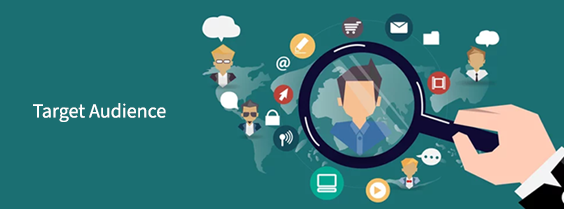
Effective B2B digital marketing strategy all starts with one thing: understanding the target audience or consumer of your company. Chances are you have your target audience(s) mapped out now, but are they up to speed, or are they channeling the right individuals?


Ask yourself these questions:

  • Of my existing customers, who would I like to get more of? 

  • Industry

  • Size of company

  • Services offered

  • Geographic reach

  • What is our main point of contact's job title? 

  • What are their pain points? 

  • How is my company uniquely positioned to help them overcome these challenges? 


Once you've answered these questions, you'll be able to build an example of a target customer base to tailor your B2B digital marketing strategy.


Creating Your Target Audience 

Now that you have a clear idea of who your potential patrons are, it's time to log your observations so that you can go back to your plan.


Typically, target audience documents have the following sections defined: 

  • Demographics

  • Name

  • Job title

  • Gender

  • Age

  • Family information 

  • Salary

  • Biographical information 

  • General background information

  • Identifiers and skills

  • Goal and objectives 

  • Pain points 


Establish Goals & Metrics to Track Your ROI

Next, you need to decide just what you are trying to do with your marketing campaign. Is it just to send more traffic to your website? Is it to create more sales-ready leads by improving the success rate on your website? Is this to become a thought pioneer in the industry?


After you've determined your overarching goal, you can then set the metrics you'd like to track against overtime to hit that goal.


Lead Generation 

Concentrating on-site metrics is crucial when it comes to achieving success. Chances are that if your website isn't doing well, neither are your other digital marketing activities.
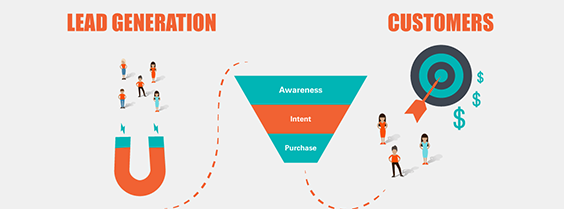

Focus on improving the following metrics to help increase revenue generated from digital efforts:

  • Organic traffic

  • Average time on page/time on site

  • Conversion rate

  • Bounce rate

  • Number of sessions

  • Leads

  • Marketing qualified leads 

  • Sales qualified leads

  • Closed customers

  • Return on investment


Brand Awareness

Brand marketing strategies range from rising brand recognition in your market to improving your brand value. As a consequence, you'll want to reflect on metrics related to your 'own' assets and 'received' assets.


Owned media metrics

  • Direct traffic to your website

  • Social engagement and reach

  • Blog engagement

  • Branded search volume


Earned media metrics

  • Referral traffic

  • Press mentions

  • Backlinks

  • Employee advocacy


Identify & Implement the Right Digital Marketing Tactics
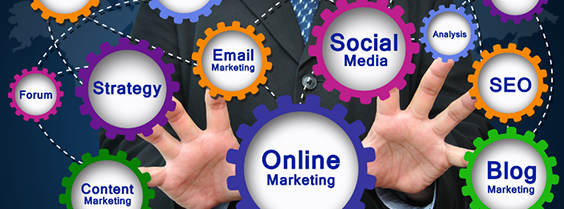
Now that you have a list of target markets and targets, you can begin to identify the right digital marketing strategy to be put in place to start going towards your objective.


Common tactics include: 


  • Content Marketing

  • Conversion Rate Optimization

  • Email Marketing

  • Social Media Marketing

  • Search Engine Optimization

  • Pay-Per-Click (PPC)


Another must is a website that is designed to drive website traffic to leads, without which all the extra effort would be in vain to drive potential customers to the website.


Analyze Your Data

Making data-driven decisions for any strategy is high on the agenda of best practices for digital marketing since deployment. You could end up spending marketing dollars in all the wrong ways without this crucial move, contributing to a lower investment return than originally anticipated.


Check out these recommended tools to start tracking your performance today:


  • Google Analytics

  • HubSpot, or a similar marketing automation tool

  • Heat mapping tools, like Lucky Orange


Reassess your marketing strategy regularly. Is this the way you want it to be? What are the specifics on your website that tell you about the actions of the customer?


You will be able to assess what B2B digital marketing strategies are pushing you ahead in terms of achieving your targets vs. what is not effective and needs to be changed after reviewing your marketing strategy.


Putting the Data Together

Now that you got the right tools, it's time to get the information together so you can take a holistic look at it. Tools such as Databox or Google Data Studio allow you to easily pull measurements from a range of platforms.


Continuously Improve Your Strategy Based on Findings

When you've evaluated your recent results, you're ready to make changes to your digital marketing strategy in order to balance your metrics. Create a plan for the next quarter to determine what techniques you're going to use, retain or amend, and what steps you're going to track depending on your performance.


If you have been searching for a Digital Marketing Institute for the Online Certificate Course On Digital Marketing B2B Tools, NDIM is wherever your hunt ends. As an extremely putative mentor B-school in India, we provide advanced digital marketing courses to students and dealing professionals alike. With a team of trained digital marketing professionals, you'll get instant access to multiple ways with success to establish your career in digital marketing.

#9 Benefits Of 360° Digital Transformation Of Sales And Marketing


Transiting to a digital era is more than a reconsideration in business today. To stay competitive and relevant in this groundbreaking marketplace, companies must begin and progress their transition to the Digital Transformation Of Sales And Marketing. With the ongoing digital disruptors fastening at the heels of many businesses, success will come to the places that guarantee their workforce is skilled in the digital age's best practices. Furthermore, this transformation must be tailored into the company's fabric and championed by the administration to have maximum impact.


The issue for many businesses is that they've already fallen behind. Some believe they are too late to get started. Digital speed is now much faster than those old conventional companies, and that pace is necessary to becoming a fast follower. Here in this post, we will explore various benefits of a 360° Digital Transformation Of Sales And Marketing in a business and its workforce.


#1. Helps In Transforming The Customer Experience


The world's fascination with the upcoming advanced technology, various social media platforms, and apps revolve around a desire for a more comfortable life. People want valuable solutions to their problems. More importantly, they want it fast.


The customer experience generally lies at the ticker of digital. As a result, 360° Digital Transformation Of Sales And Marketing's primary focus is to use cutting-edge technology to improve the customer experience.


The success determinants in customer experience in the 360° Digital Transformation Of Sales And Marketing transformation process are:


  • Create and digitize customer journeys

  • Boost speed and quickness in insights

  • Attain customer selection of digital customer journeys

  • Build promptness in delivering digital transformations


Those organizations at the digital revolution's vanguard will gain much more authorization, trust, and respect from patrons.


#2. Helps In Driving The Data-Based Insights


Another advantage of the ongoing 360° Digital Transformation Of Sales And Marketing is the tracing metrics and interpretation of the data gained throughout the digital marketing efforts. Moving to the actual point, utilizing these insights empowers companies to optimize their strategies and methods for even better outcomes.  


In sales and marketing, two things matter the most - the first is the cost, and the other is revenue. It's possible to make extensive changes by combining data-based insights into the firm culture. With these data-driven insights, they can know their clients and feed into business strategy enabling hyper-personalization, uniqueness, real-time feedback, and readiness. 


This comprises businesses using the personal information of customers and other social media metrics that pull together data from many sides of the market and help drive the 360° Digital Transformation Of Sales And Marketing tour. The significance of data in decision-making should not be undervalued. With the right leadership to encourage this approach throughout a business, the road to a higher ROI will become more adaptable. 


#3. Helps In Customer Retention


Customer retention is vital for building your brand as a business leader. There is a higher support than your clients keeping you again? Repeat business that exhibits your service quality, the trust people have in your product, and the desire to return for more.


360° Digital Transformation Of Sales And Marketing makes your brand the one customers revert to using brand awareness initiatives, content tact, and marketing to keep your brand at the front of your customer's perceptions. 


#4. Drive Customer Loyalty


Developing a customer’s lifetime value through 360° Digital Transformation Of Sales And Marketing brews down to a strong customer experience. 

Additionally, a customer is more likely to buy from a competitor if the problem is service-related versus price or product-related.


One of the explicit ways of building brand loyalty by 360° Digital Transformation Of Sales And Marketing is to deliver on everything you have agreed and provided that to the highest of standards while never letting them down. 


#5. Helps In Encouraging To Build Collaboration Across Various Departments


Most people cringe at the change. Even the whole organization's thought of making an extensive 360° Digital Transformation Of Sales And Marketing can be an intimidating sight for a workforce from administration level to the freshers. All methods and procedures, down to the core composition and organization culture, necessitate being addressed.


Nevertheless, in that, there is a chance for unity during the workforce. To maximize the possibilities of a thriving switch, there needs to be effective communication. Motivating the employees can tear down age canyons and cultural divides to fasten in discussion while learning mutually. 


#6. Increases Swiftness & Change


Agility is the ability to improve and develop quickly, especially regarding digital processes continuously in any business. This inclination for change is held in high esteem across many companies. Many companies rank agility among the top attentiveness when it comes to 360° Digital Transformation Of Sales And Marketing drives. The agile development and constant changing of the digital panorama bequeath no time for businesses to rest on their garlands.


Even the companies that are already on the top should be ready for the change and transition. There will always be a new contest, new techniques, and of course, recent trends. With all this, the customer will need more, desiring it faster and better than before. 


#7. Helps In Updating The Skillsets & Knowledge


As agile technology extends to go sky-high, the need for these specific jobs will grow. To name a few skills that are coming into their own, the future of digital business is looking to be laboriously built upon the following skill sets:


  • AI

  • Augmented Reality

  • Cloud Computing

  • Machine Learning

  • Data Exploration/Analytics

  • Growth Hacking


#8. Promotes A Digital Culture


Central to this resilient and versatile nature is a robust digital workplace. It allows the workforce to remain fruitful and involved in the 360° Digital Transformation Of Sales And Marketing without feeling bewildered or detached from the process. Only having agile technology in place is not sufficient. If a business succeeds in the future, the organization must adopt and apply a company culture that encompasses the change.


Many professionals don't feel equipped for change. A company culture that immerses the workforce in a digital learning environment is a significant benefit, helping them upskill for years ahead and climb up the ladder to become digital-savvy employees.


#9. Streamlines The Overall Process and Operations


Placing money aside, the most significant universal advantage that technology has given businesses is that it has made it easier to connect with other people. This solidification of the company processes and operations allows the business to connect with their target customer base while satisfying their requirements.  


Wrap-up


In summing-up, the future of 360° Digital Transformation Of Sales And Marketing is no longer a speck on the horizon. The constraining requirement to execute it in subsequent times can no longer be ignored. The constraining need to implement it in the following times can no longer be ignored unquestionably if it is interested in success. The digital age isn't brand-new, but it is inconsistent. We are amid the digital evolutionism, where the companies fully encompass and invest in their Digital Transformation that will flourish.


How Emotional Intelligence Is Important for Managerial Effectiveness And Well Being


Emotional intelligence is the ability to understand and manage emotions. The skills used in emotional intelligence include self-awareness, self-regulation, inspiration, compassion, and social skills. Recently, it has become a bit of a buzzword in HR offices across the world, but experts believe it's time for emotional intelligence to be taken seriously. Embracing complexities of human emotion in the workplace may have pragmatic effects, such as improved communication between workers and a healthier workplace. The point is that all day - every day, we are human beings, not just when we leave the workplace.

How Does Emotional Intelligence Help?

With so many fields of psychology, there is a rigorous discussion on how brains function, but Daniel Goleman, a world-renowned behavioral scientist, said that "the part of the brain that serves emotional and social intelligence is the last brain circuit to become anatomically mature, and because of neuroplasticity, the brain is influenced by repetitive experience" Goleman went on to state that this should be taught to children in a comprehensive way." This has been studied in more than 100 schools and there has been a decrease in anti-social activity, an improvement in social behavior, and an increase in academic scores," says Daniel Goleman.

It’s evident then that emotional intelligence is beneficial – both in and out of the workplace.

Addressing Our Emotions

The unfortunate trend that has swept our culture is the failure to adequately understand and address individual feelings. This pattern has extended to other aspects of life, including the workplace. Although feelings are often left behind when you start work, this has devastating consequences not just on companies but also on workers ( from assistant to CEO). We're emotional beings, after all. Businesses are evolving, though, and are starting to provide extensive and individual work arrangements and new programmes (for example, some insurance plans provide mental health coverage) to ensure that people are cared for at work.

This includes hiring psychologists for human resources teams: getting to understand your workforce as best as possible, and offering useful training has direct results on employee/employer relationships.

What Are Elements Of Emotional Intelligence?

Let’s dive deeper into the 5 elements of Emotional Intelligence:


  1. Self-awareness is about recognising yourself: discovering your shortcomings, abilities, motivators, beliefs, and effects on others – the power of good instincts, ultimately. If you're a boss, you would know how challenging close deadlines are. A self-aware and emotionally knowledgeable boss can schedule their time well and get the job done well in advance of any deadlines so as to avoid any consequences on their emotional  or physical well-being.

  2. Now, self-management is the capacity to harness and redirect destructive emotions and moods. Think of trustworthiness, honesty, and the comfort of transition. It's not encouraging your emotions to cripple you, but rather to conjure up your good emotions and match your emotions with your passions. For example, if a team fails to make a presentation, the leader must suppress the temptation to shout. Instead, they should consider potential explanations for disappointment, explain the implications to the members of their team, and discuss alternatives together.

  3. Motivation is enjoying achievement for its own sake. A passion for the work you do, optimism, and energy to improve are the key hallmarks of an emotionally intelligent and motivated person.

  4. Empathy is understanding the mental makeup of other individuals. It's about remembering other people's emotions, particularly when making decisions. Any of the trademarks of empathy include experience in recruiting and maintaining top talent, willingness to develop others, and openness to cross-cultural discrepancies. 

  5. Finally, social skill is building a relationship with others to move them in the desired direction. Think “influence”, here.

How Do You Become More Emotionally Intelligent?

It's apparent that we're all emotionally intelligent, but we need to take some time to self-assess and reflect on our emotions. As for everything, preparation is required, but even minor measures will make a huge difference. As you work out your biceps or some other muscle on a daily basis, you need to practice your skills to strengthen them.

It is true that when we look at the leaders of some of the most profitable organizations that most of all these leaders have and show high levels of all the core components of emotional intelligence. It's important to bear in mind that there are a variety of skills. Overall, women tend to be more emotionally sensitive on average: to feel what someone feels at the moment, to manage relationships with individuals and classes. Even Goleman's perspective on the relationship between emotional intelligence and leadership is that there are disparities between men and women in this field, but as individuals develop, they acquire expertise in the area they require.

Has Emotional Intelligence Made A Difference In The Workplace?

We make emotionally charged choices every day. We assume that Plan A is stronger than Plan B, and often we make decisions based on our thoughts or intestinal feelings. When we understand the cause and source of these feelings, particularly when we work in a team, we are more attuned to each other. With globalization, emotional intelligence is more important than ever as teams are cross-cultural and multinational, raising the intensity of emotional experiences and how they are communicated. Essentially, on-the-job emotional intelligence is about learning, expressing, and controlling healthy relationships, and problem-solving under pressure.

Benefits Of Emotional Intelligence At Work

Gary Yukl, a leading expert in leadership agrees and goes on to conclude, "Self-awareness makes it possible to consider one's own desires and probable responses as those events arise, thus encouraging the assessment of potential options."

In order for emotional intelligence to be successful, you have to start with yourself. You can't distill or strengthen the well-being, improvement, and sense of self of someone without first knowing how you function on an emotional basis. What separates leaders is typically their level of interpersonal maturity, and it is those qualities that help to create a more productive workplace.


Top 8 Digital Marketing Trends For 2021

Today, it is a well-acknowledged fact that digital marketing is the staple of success in the corporate world. A good marketer is a...